

Some years ago, I watched an interview with a candidate who was asked, “Who do you consider your enemies?” The candidate started the list, “Well, the NRA are definitely my enemies. The Koch brothers. John Boehner…” and the list went on.
It immediately struck me that the candidate’s long list of enemies were people or organizations well versed in issues and simply had a different, though well informed, point of view. I thought perhaps there may have been a better response.
I discussed campaigning with a person who had helped a fellow with his campaign for congress in the south. She told me that the entire campaign was based on denigrating the opposing candidate. She further explained that over the years, it had been shown that negative campaigning against the candidate, not the issues, was by far the most effective to win closely contested elections.
Sometimes people or even organizations want to punish others for simply having a different point of view, sometimes causing people to lose their jobs or to be shunned for supporting certain idealogical positions. Others attempt boycotts of organizations, even business organizations, that have done nothing wrong except to disagree with them. This is a duplicitous approach to forcing people to agree that I wish were universally condemned. I know we all have examples.

Prevalent opinions often win the day as a result of volume (in all of its varied meanings), not reason. When that is the case, it is almost always based on emotion not considered analysis. That opens the door to making a debate personal— the weakest of all arguments. I have even heard pundits explain to their listeners that the way to argue a point of view is from emotion, for reason doesn’t have the power to sway the majority. Furthermore, emotion, controversy and change sell. Hence, the media’s approach to reporting in our day. Neither side is free of such behavior.
Aren’t you weary of it?
As uncharitable as this may be, I confess that I myself sometimes fall into a pattern of making negative statements about candidates or spokespeople that I don’t support. I have strongly held beliefs about what is right for America, and often feel like someone threw a baseball at my head when they disagree or ridicule me for those beliefs. For whatever foolish reason, I rush into a political argument at times as though I were running into a bench-clearing brawl instead of a collaborative effort to find understanding. This makes me part of the problem.
The temptation is to list illustrative examples of how emotion and acrimony have been used to further a political agenda, create fear and separation. But, while my small repentance may not reshape the world, or even my family, I want to begin anew—with a not so common approach.
When my son returned from a mission for the Church of Jesus Christ of Latter-day Saints, he met with the senior officer of our Church (a close friend) to be released from his ministry. After some discussion, my friend asked my son, “What is the most important thing that you have learned from your service?” He bowed his head in thought for a moment and began to tear up. When he got his composure, he said, “I just love everyone and everything.”

When we are filled with love, we want good for all people. We want to solve differences of opinion through calm reason and discussion. Like Phil Conners at the end of Groundhog Day, we want to personally evolve to a place in which we support, dignify and serve all of our brothers and sisters.
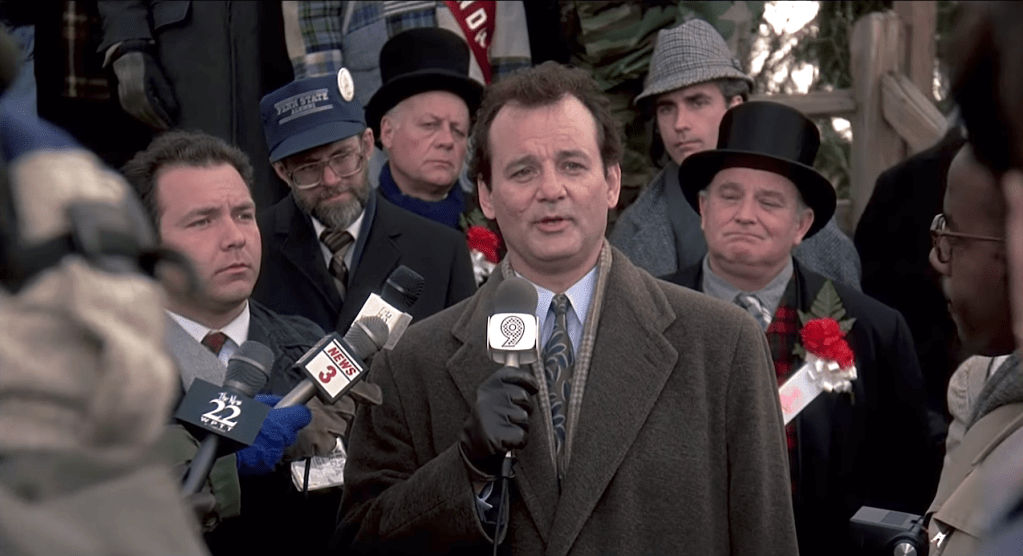
This is the person I want to be. It is the place at which the people who I admire most have arrived. I will continue to strongly support the principles that I believe are right for our nation and oppose those who intentionally seek to harm it. But I will avoid condemnation of others simply because they disagree with me. I will not personalize a debate as I was wont to do with name calling and disgust–and I will be patient with those that do. If any of you find that I do that in my blog or any other writing and speaking, please call me on it.
Leadership guides a country to where it is going. I want leaders who love America and seek to lead all American’s. I want leaders who don’t seek to find peace but seek to make peace. I want leaders who seek to understand and come to rational conclusions that can broaden support—while still standing strong for certain absolutes that have made America what she is. I want leaders who won’t use name calling and insult to win a debate. I want leaders who love God and country. And everyone and everything.
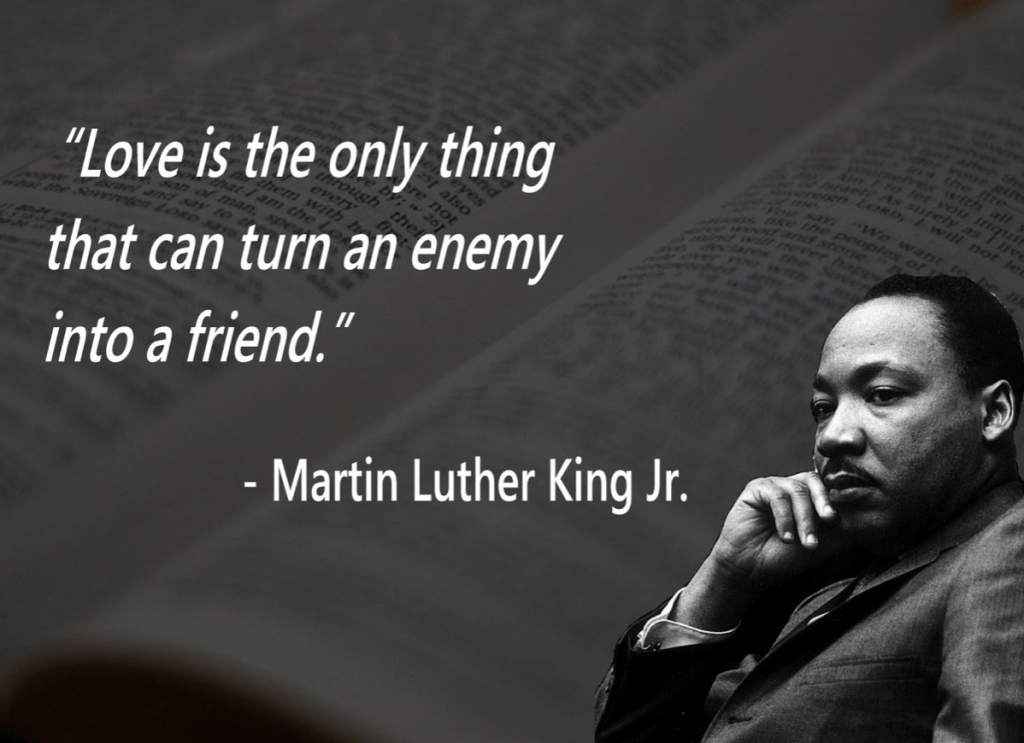
The better answer to “Who are your enemies?”
“I have no enemies who love America and its people.”
 Mountain Majesties
Well said Jim!
-Much obliged to you.
LikeLike
Nice
LikeLike
Well stated. I wish I could replace the BLM with a good leader who followed the wisdom and philosophy of Martin Luther King, Jr. and who recognized the source of their strength.
LikeLike